
8 Reasons to Visit Svalbard in the Dark Season
Thinking about visiting the northernmost town in the world, but still need a little push? From 24-hour darkness and northern lights to ice caves, blues and Christmas at 78° north, here are our eight best reasons to come up in the polar night.
Text: Angie, Gjestehuset 102
Svalbard gives you something different in every season. Our dark season, which many people also call the northern lights season, starts in October. The days get shorter and shorter, and by late October the sun sets for the last time until spring. It doesn’t get completely dark around the clock until mid-November, so in the weeks before that you get the best of both: a chance of northern lights in the evening, and soft blue light over the town in the middle of the day.
When is the dark season in Svalbard?
The sun sets for the last time in late October and returns in February. The darkest weeks, with no daylight even at noon, run from mid-November to the end of January. The sun shines on Longyearbyen again on 8 March.
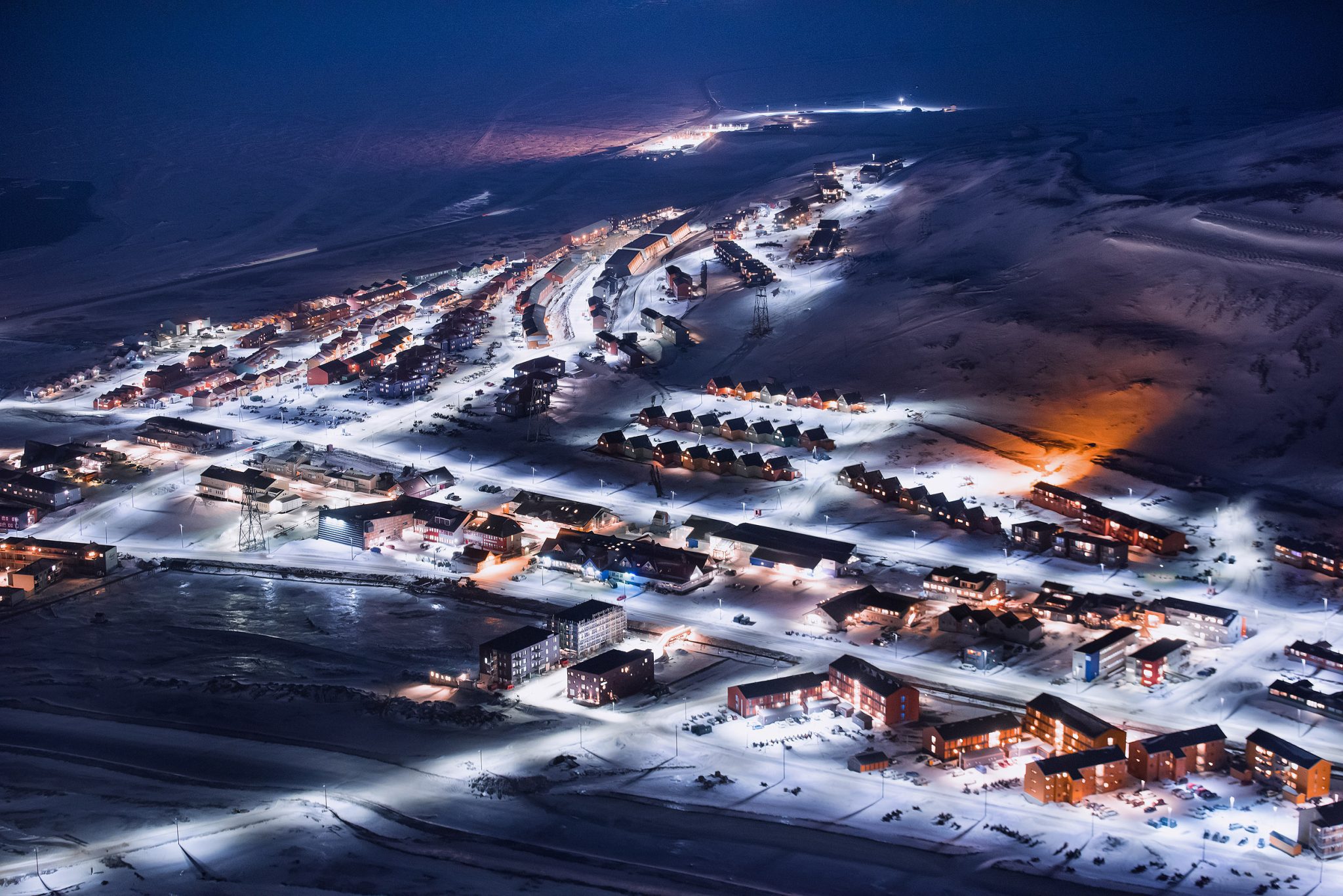
Then the polar night arrives. The sun stays below the horizon, the mountains turn dark blue, and the whole valley goes quiet. Some days the only sound you hear is the snow crunching under your boots. It’s a strange and beautiful time to be here, and honestly, it’s one of our favourite times of the year.
The polar night isn’t something to survive. It’s something to experience.
Are you thinking about visiting the northernmost town in the world, but you still need a little push? We’ve lived through many dark seasons here at Gjestehuset 102. Here are our eight best reasons to come up and see it for yourself.
1. Experience 24-hour darkness
When we tell people there’s a place where the sun doesn’t rise for months, most of them look at us like we’re joking. It’s real, and it’s right here. Your friends might think you’re a little crazy for choosing to fly into the dark. But life is too short for boring holidays.
Here’s how the light changes in Longyearbyen:
- Late October: the sun sets for the last time and won’t rise again until February.
- Mid-November to late January: the darkest part of the polar night. Even at noon there is no daylight, only the moon, the stars and, if you’re lucky, the aurora.
- February: a blue twilight slowly returns in the middle of the day.
- 8 March: the sun finally shines on the town again. Locals celebrate it with Solfestuka, the Sun Festival Week.
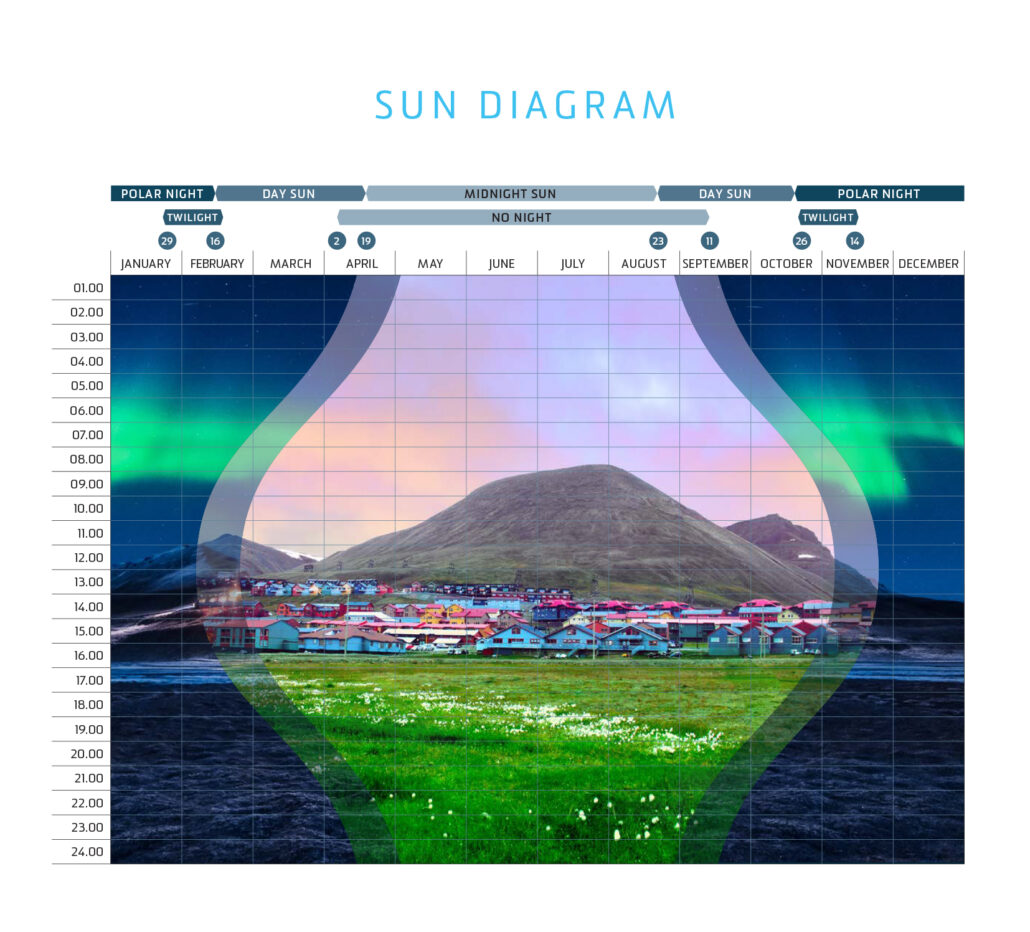
It’s the most unusual way we know to step out of your comfort zone. And it’s not as gloomy as it sounds. The town lights up with warm windows, candles and Christmas stars, and people are friendly and in no hurry. Come and sit with us in the coffee room, and we’ll happily share our own polar night stories.
2. There’s still plenty to do
A lot of people expect Svalbard to shut down in the dark. It doesn’t. Guides and tour operators run trips all through the polar night, and doing them in the dark is a big part of the fun. The most popular ones are guided hikes, snowmobile trips, ice cave tours and dog sledding.
Guided hikes
Longyearbyen sits in a valley with mountains on every side, so you’re never far from a good hike. You can go for a summit or take an easy walk along the valley floor with a headlamp. Either way, the local guides know the terrain well and carry what’s needed for polar bear safety. A favourite is the hike up Platåberget (Plateau Mountain), where you get a wide view over the lights of the town.
Snowmobile trips
A snowmobile trip is one of the most exciting ways to see the Arctic landscape, and the dark season adds something extra. Some trips go out specially to hunt for the northern lights, far away from the town lights.
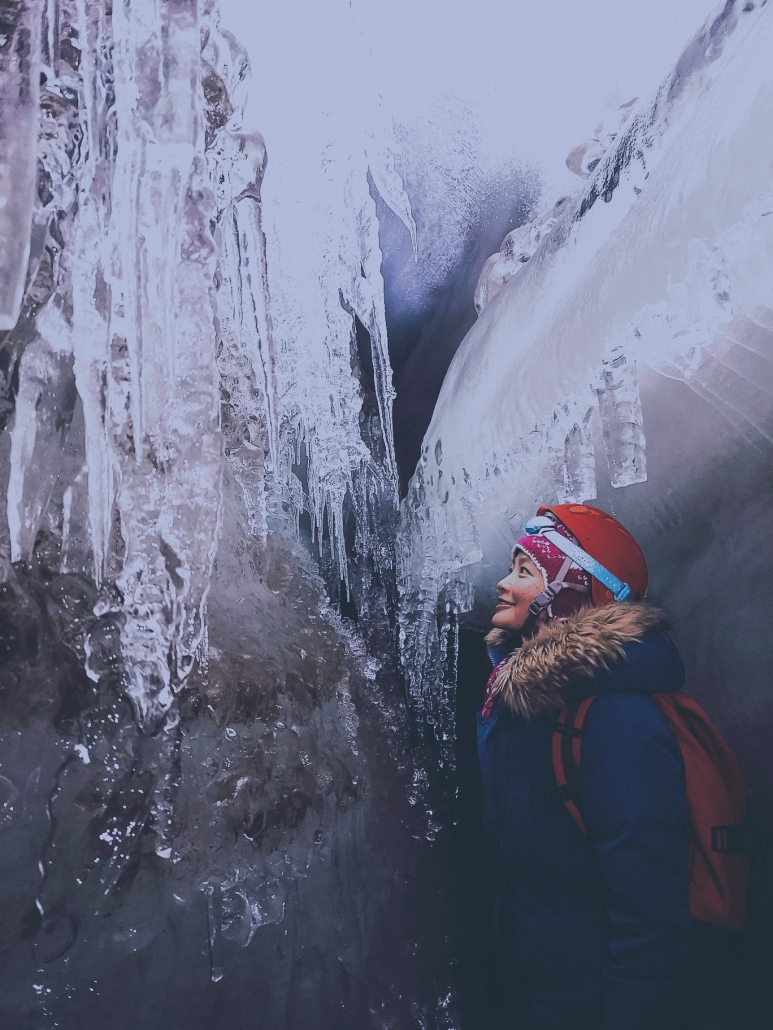
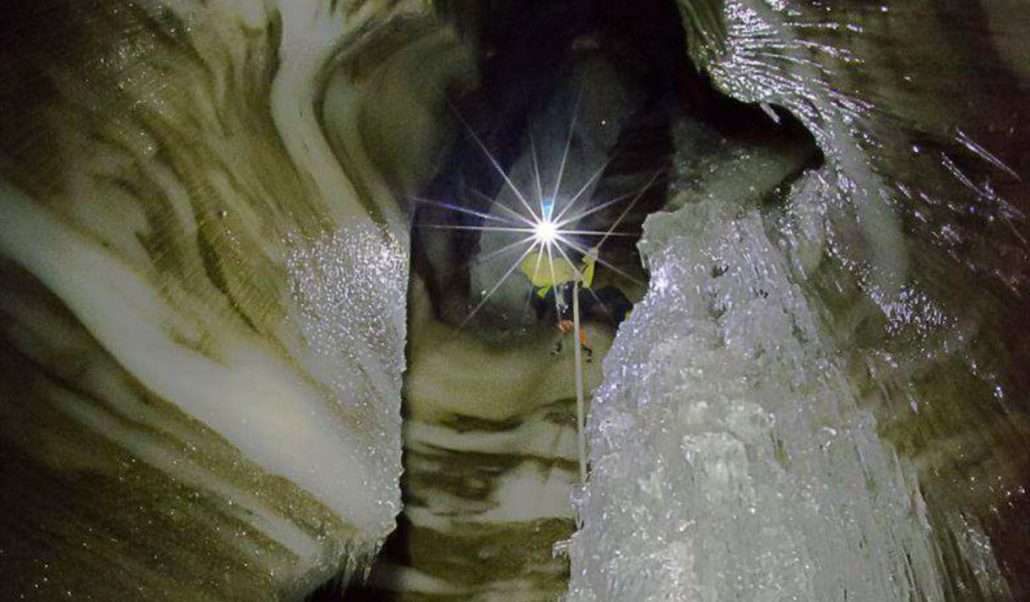
Ice caves
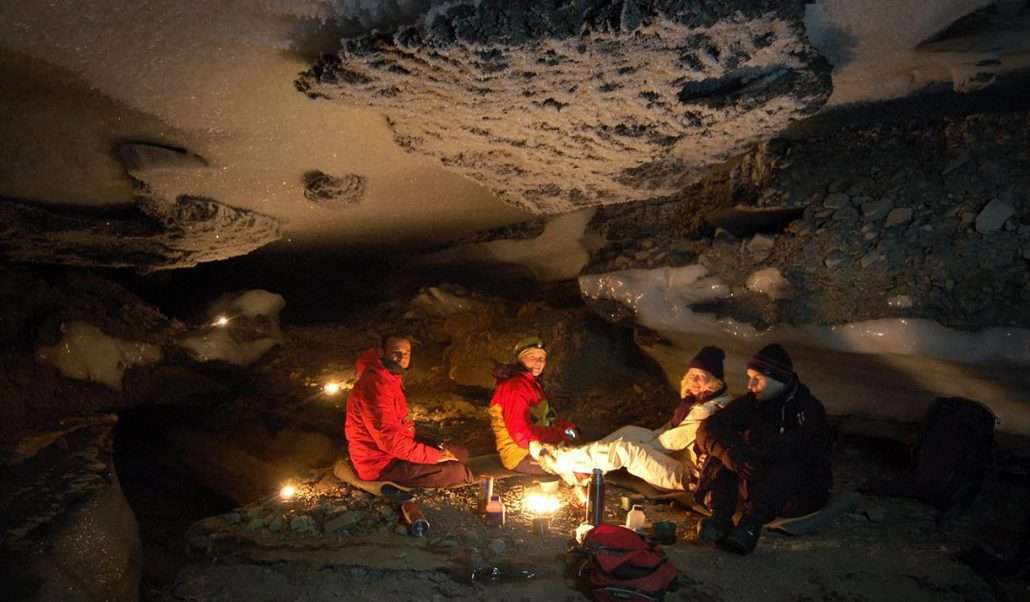
This is one you shouldn’t miss. Ice caves form inside the glaciers during summer, when meltwater carves channels through the ice. In winter the water freezes, and you can climb down inside. You’ll squeeze through narrow passages, walk through open halls and see thick layers of ice crystals sparkling in your headlamp. It feels like another planet.
Save on tours: Book your room directly with us and get 5% off selected tours. See which tours give the discount.
3. Escape the crowds
The polar night is the quietest time of the year for tourism. Fewer flights are full, fewer tour groups are out, and you won’t be fighting for a table at dinner. If you don’t love crowds, or you just need a break from busy city life, this is the perfect time to come.
Life in town carries on as normal. Pubs, restaurants and shops are open, and the internet connection is fast and reliable. You can still video call home or join a work meeting if you really have to. We have good Wi-Fi all through the guesthouse too.
With so little noise and no daylight to tell you what time it is, the polar night gives you a rare chance to slow down. Read a book, take long walks under the stars, or just sit by the window with a cup of coffee and watch the valley. Want to stay even longer? Ask us about long-term room rental in the dark season.
4. Local events
We often get questions like these: Is there anything to do in the dark season? Are the restaurants open? Do the locals leave for the winter? The answers are yes, yes, and no. Longyearbyen is never a ghost town. Museums, shops, cafés and pubs stay open (some with shorter hours), and the autumn and winter calendar is full of local festivals.
Smak Svalbard (Taste Svalbard)
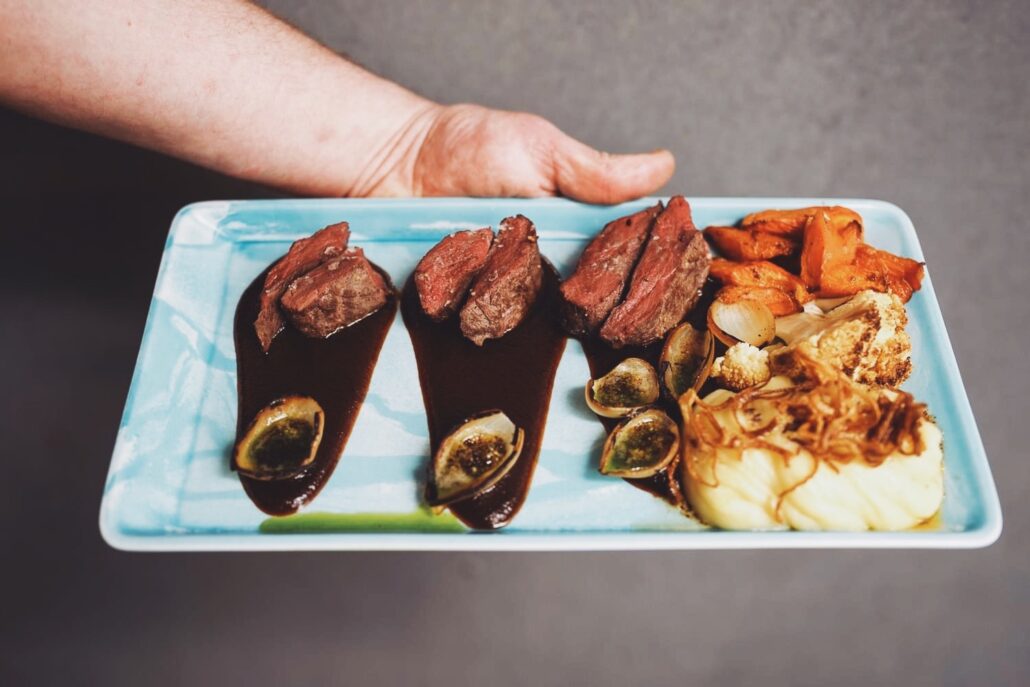
Every October, Longyearbyen holds a food festival packed with dinners, tastings, courses and talks. It’s a great chance to meet the local chefs and try Arctic ingredients like reindeer, seal and Arctic char, as well as dishes from the many cultures that live here.



Dark Season Blues
The world’s northernmost blues festival takes place every year on the weekend closest to 26 October, right as the sun leaves for the winter. In 2026 it runs from 22 to 25 October. Expect around 15 Norwegian and international bands playing in some fun places, including Huset, Svalbard Church and the old coal mine Gruve 3. There are blues lunches, blues dinners and a Sunday jam session too.
More events through the winter
There’s usually something happening most weeks, from concerts and quiz nights to the Christmas tree lighting in the town square. Check the events calendar at Visit Svalbard for what’s on during your dates.
5. The magical northern lights
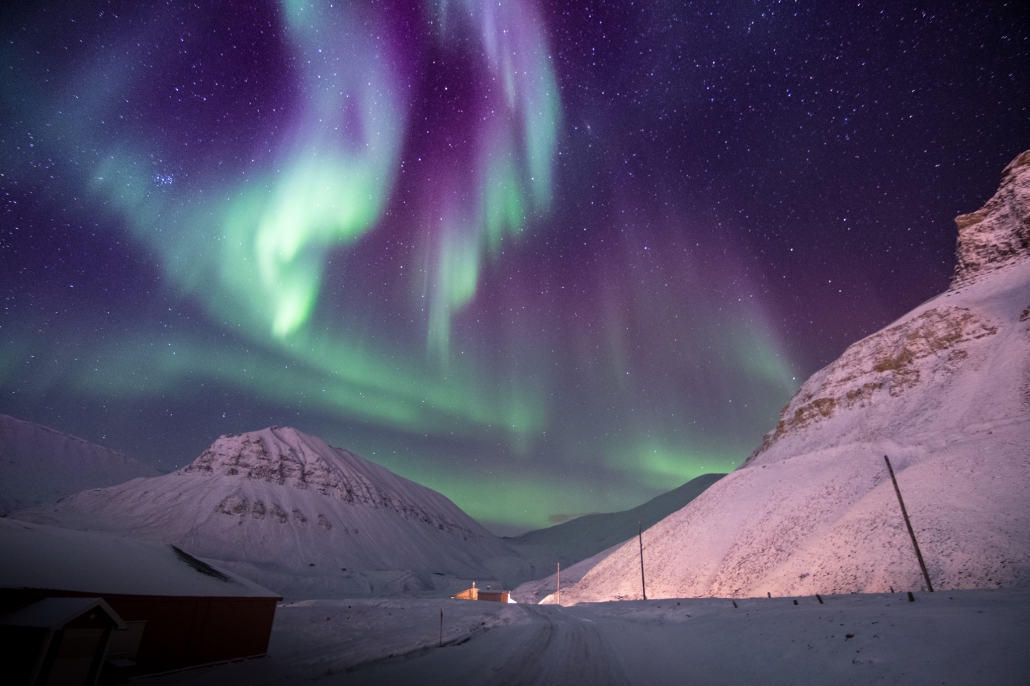
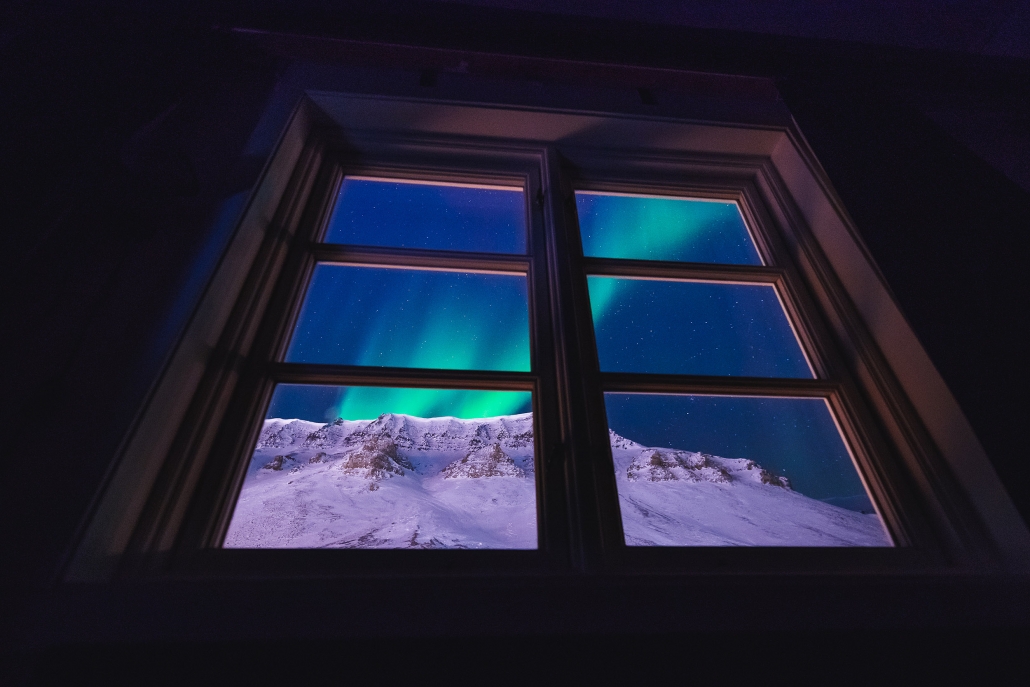
Svalbard is one of the best places on Earth to see the aurora borealis. Because we’re so far north, the lights here often show up in the southern sky, and in the polar night the sky is dark enough to see them at any hour.
Did you know? During the polar night in Svalbard, you can see the northern lights in the middle of the day.
Where to see them
One of the best spots is Adventdalen, the wide valley east of Longyearbyen. It’s open, flat and far from buildings and streetlights.
The other is right where we are: Nybyen, at the top of the valley. It’s the darkest part of town, which makes it a great place for aurora hunting and stargazing. When there’s activity, many of our guests spot the lights straight from their bedroom window. For a better view, walk a few minutes further up the road toward the mountain Sarkofagen.
Stay safe: Always wear a reflective vest when you walk outside in the dark. Cars and snowmobiles can’t see you otherwise. And don’t walk beyond the edge of town without a guide, as polar bears can be anywhere outside the settlement.
Northern lights tours
You can also join a guided aurora hunt. Tours go out by bus, dog sled, snowcat, snowmobile or on foot, and the guides take you to the darkest spots and tell you all about what you’re seeing.
6. You’ll say brrrr, but it’s not as cold as you think
Many people imagine a polar night trip as some kind of survival challenge. Long dark days, freezing wind, ice everywhere. It’s true that it’s cold. But thanks to the warm ocean currents along the coast, Longyearbyen is often milder than places much further south, like inland Finland or Siberia. And as we like to say up here: there’s no bad weather, only bad clothing.
What to pack
- Base layer: wool underwear, top and bottom. Wool keeps you warm even when it gets damp.
- Middle layer: a wool sweater or a fleece.
- Outer layer: a windproof winter jacket and trousers.
- Hands, head and face: warm mittens (warmer than gloves), a hat and a buff or neck warmer.
- Feet: insulated winter boots with good grip and thick wool socks. Sadly, your favourite sneakers will have to stay at home.
- Extras: a headlamp, a reflective vest, and a power bank (phone batteries drain fast in the cold).
Here’s a short video guide on how to dress for a Svalbard winter:
Forgot something?
No problem. Pop into Arctica, one of the biggest outdoor shops in Longyearbyen. They have everything from clothing and boots to gadgets, camping gear and hiking equipment, all from well-known brands. You’ll find the shop inside Lompensenteret, the shopping centre in the middle of town.
Guest perk: Staying with us? Ask at reception for a voucher that gives you 5% off everything at Arctica.
7. Christmas at 78° north
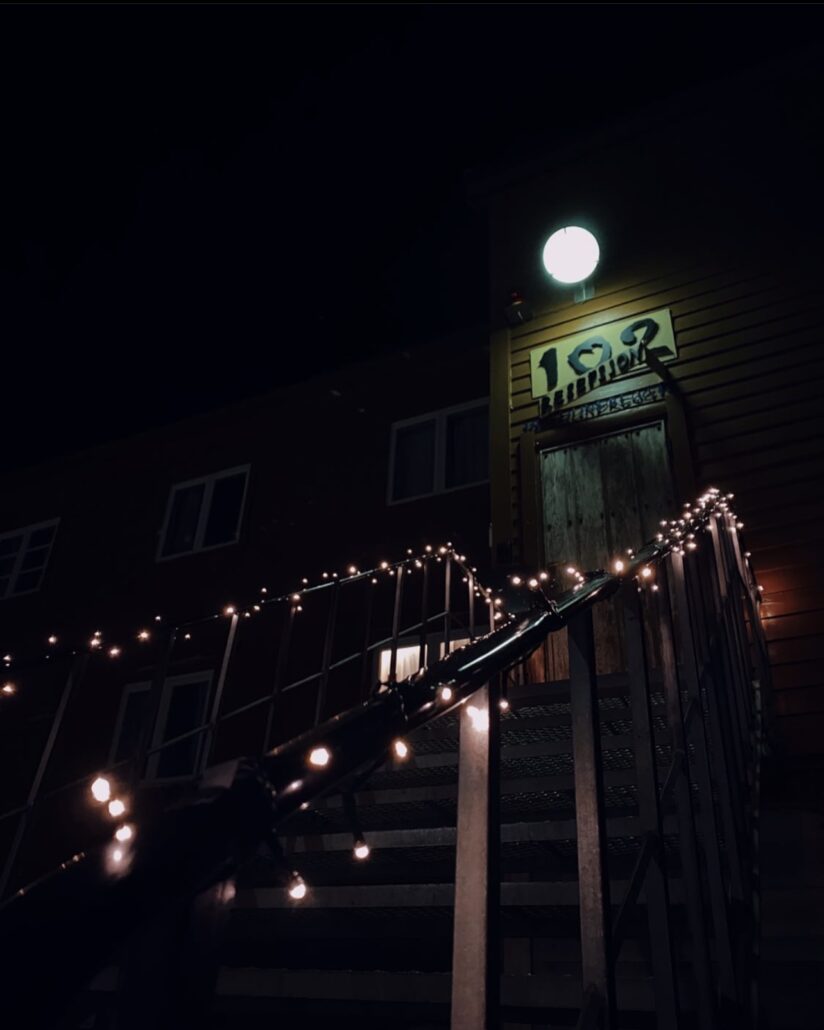
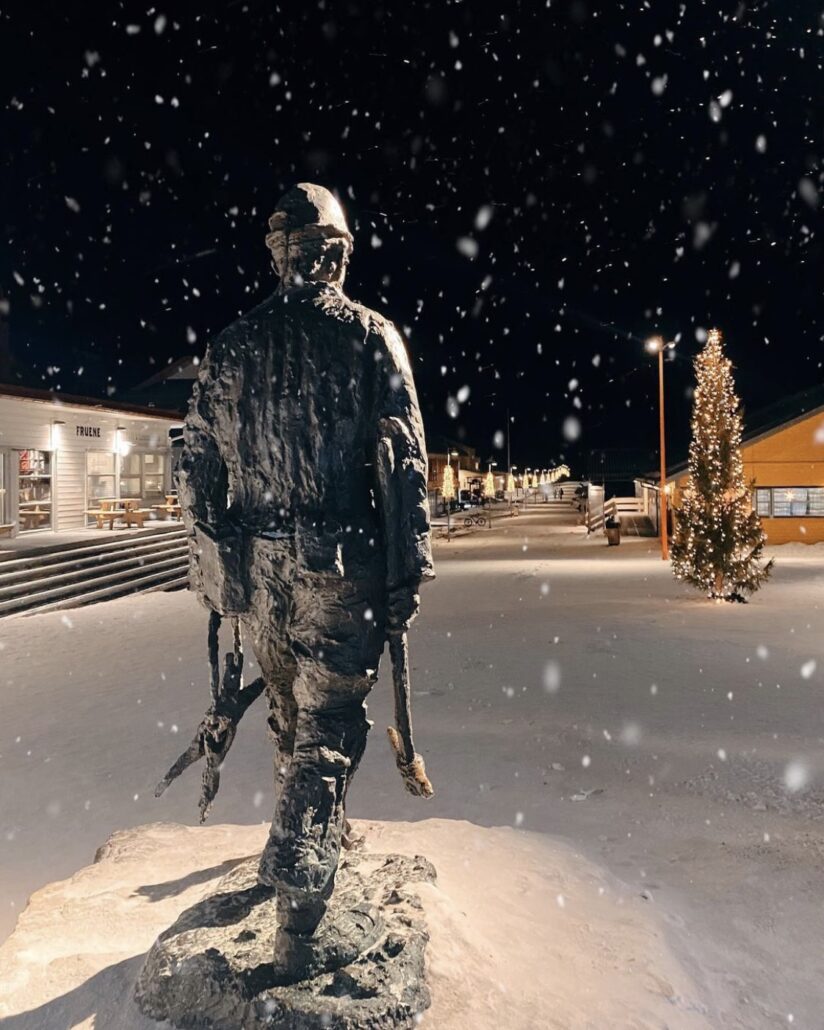
Where better to spend Christmas than close to where Santa lives? Longyearbyen gets properly cosy in December. There are lights in every window, Christmas stars glowing in the dark, and snow on the ground almost every year. Keep your eyes open when you walk around town. The Svalbard reindeer wander right through the streets, and you might just meet Rudolph on his day off.
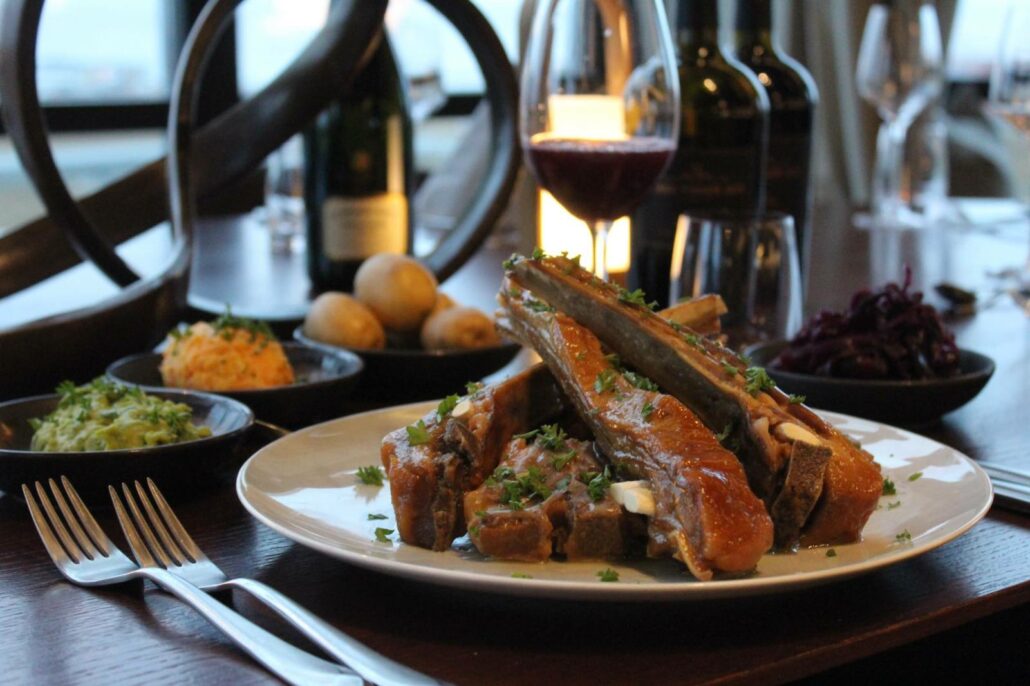
For Christmas dinner, several restaurants in town serve traditional Norwegian Christmas food. Try pinnekjøtt, which means “stick meat”. It’s salted and dried lamb or mutton ribs, steamed over birch sticks, and it’s a big part of Christmas in Norway. Read more in our post about Christmas in Longyearbyen.
Christmas at Gjestehuset 102
This year we have a special Christmas package from 23 to 27 December, including a sightseeing trip around Longyearbyen on Christmas Eve morning. On Christmas Eve evening we celebrate together here at 102 with guests and staff: singing, a Filipino Christmas buffet, games and a small gift exchange for those who want to join. It’s a Christmas you won’t forget.
8. The lowest room rates of the year
We saved one of the best reasons for last: the dark season has the lowest prices of the year. Norway is not a cheap country to travel in, and Svalbard is even pricier than the mainland because almost everything has to be shipped or flown in. Hotels and tours are usually expensive too. But from October to January, prices drop.
If you want the Arctic experience on a budget, this is your season. Spend less on your room, and use the rest on a snowmobile trip or an ice cave.
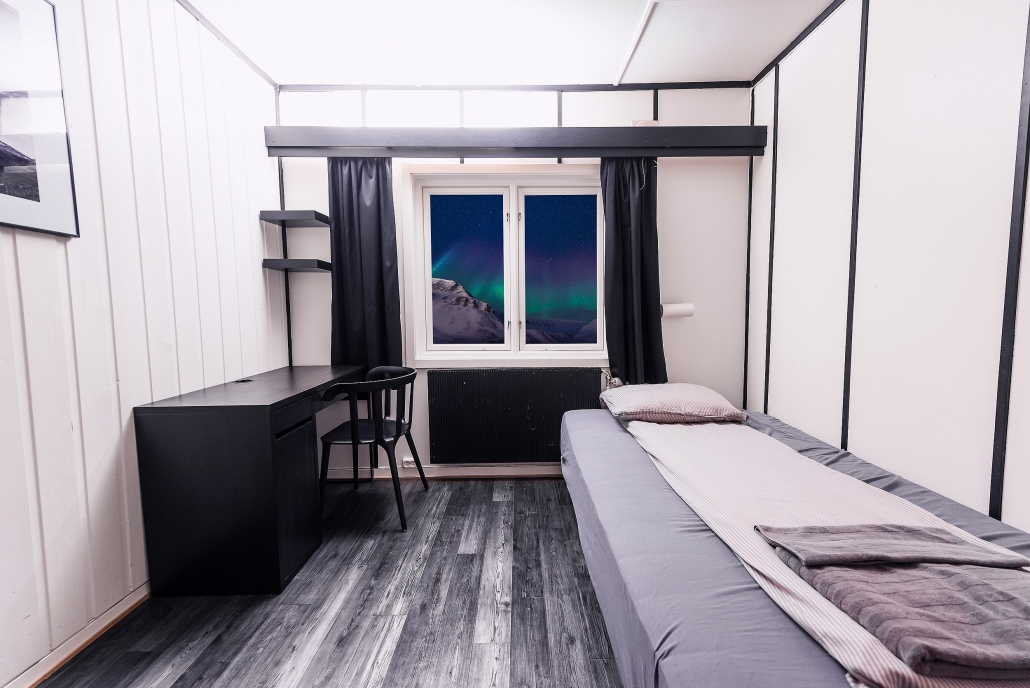
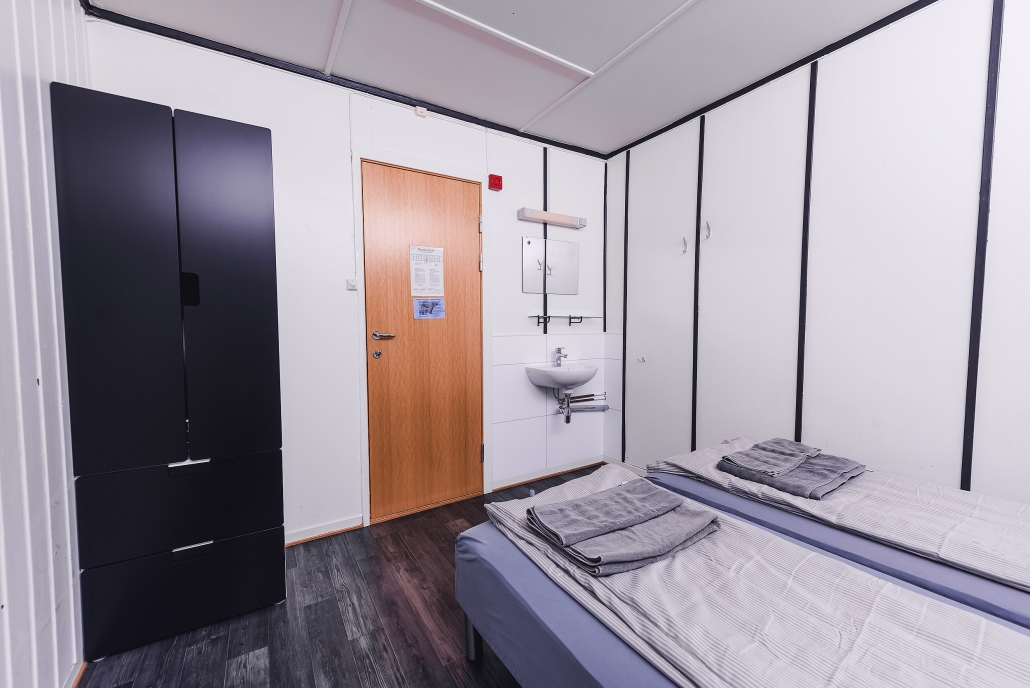
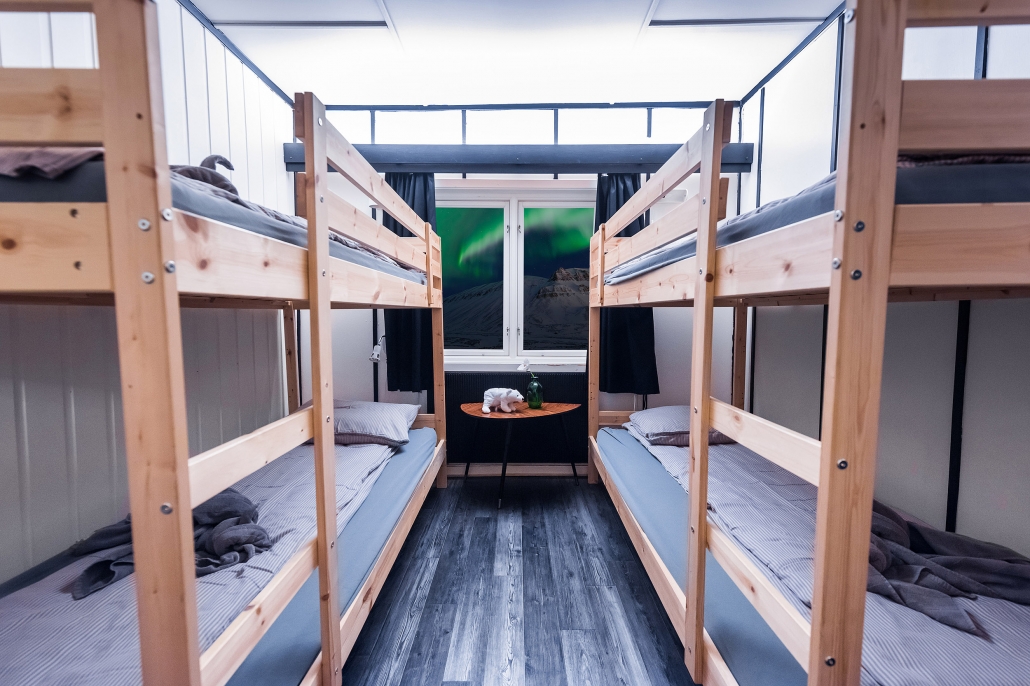
Every room has its own sink, and breakfast is always included, with fresh waffles that our guests love.
Where we are
Gjestehuset 102 is in Nybyen, about 2.3 km from the town centre, and still inside Longyearbyen’s settlement area. The walk to town takes around 30 minutes along the road, and taxis are easy to call. Back at the guesthouse, you can cook your own meals in our shared kitchen and meet travellers from all over the world.
Getting here
SAS and Norwegian both fly to Longyearbyen from Oslo and Tromsø. In the dark season you can often find cheaper seats than in the busy spring months, so keep an eye out for offers. An airport shuttle bus meets every flight. Just tell the driver you’re staying with us.
Ready for the polar night?
The dark season isn’t for everyone, and that’s exactly what makes it special. If you want quiet streets, starry skies, dancing lights and a warm place to come home to after a cold day out, we’d love to have you.
Book directly with us for the best price, free early check-in when possible, and 5% off selected tours.
Follow us for more inspiration
See what daily life looks like in the polar night on our social media.
Over to you
Have you been to Svalbard in the polar night? Tell us your favourite reason to visit in the comments below. You might help another traveller make up their mind!


