Glaciers, Fjords & History
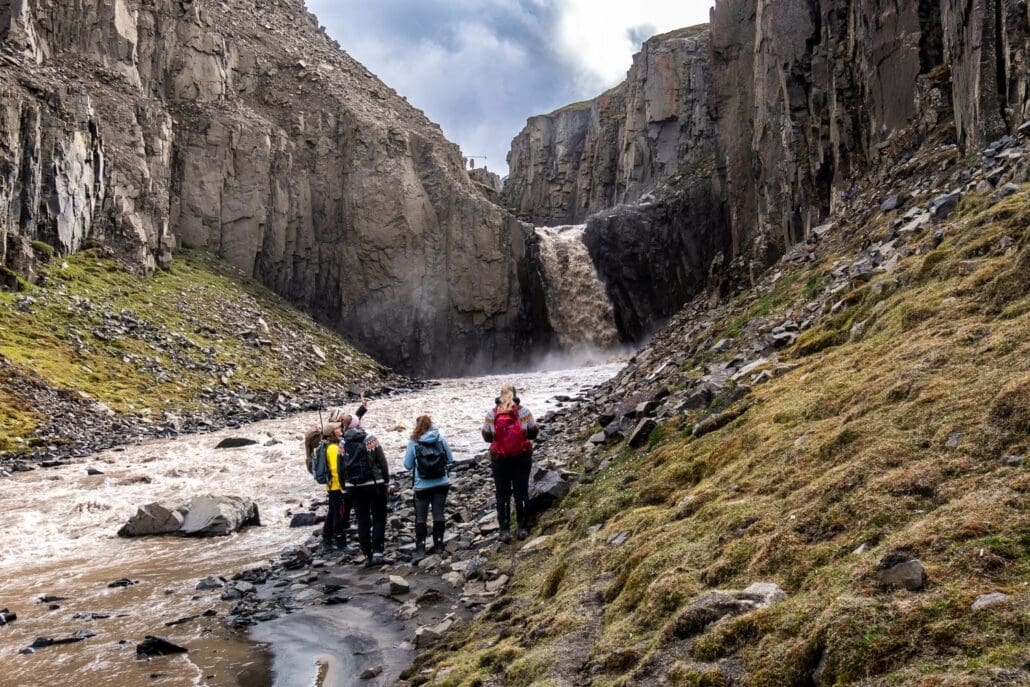
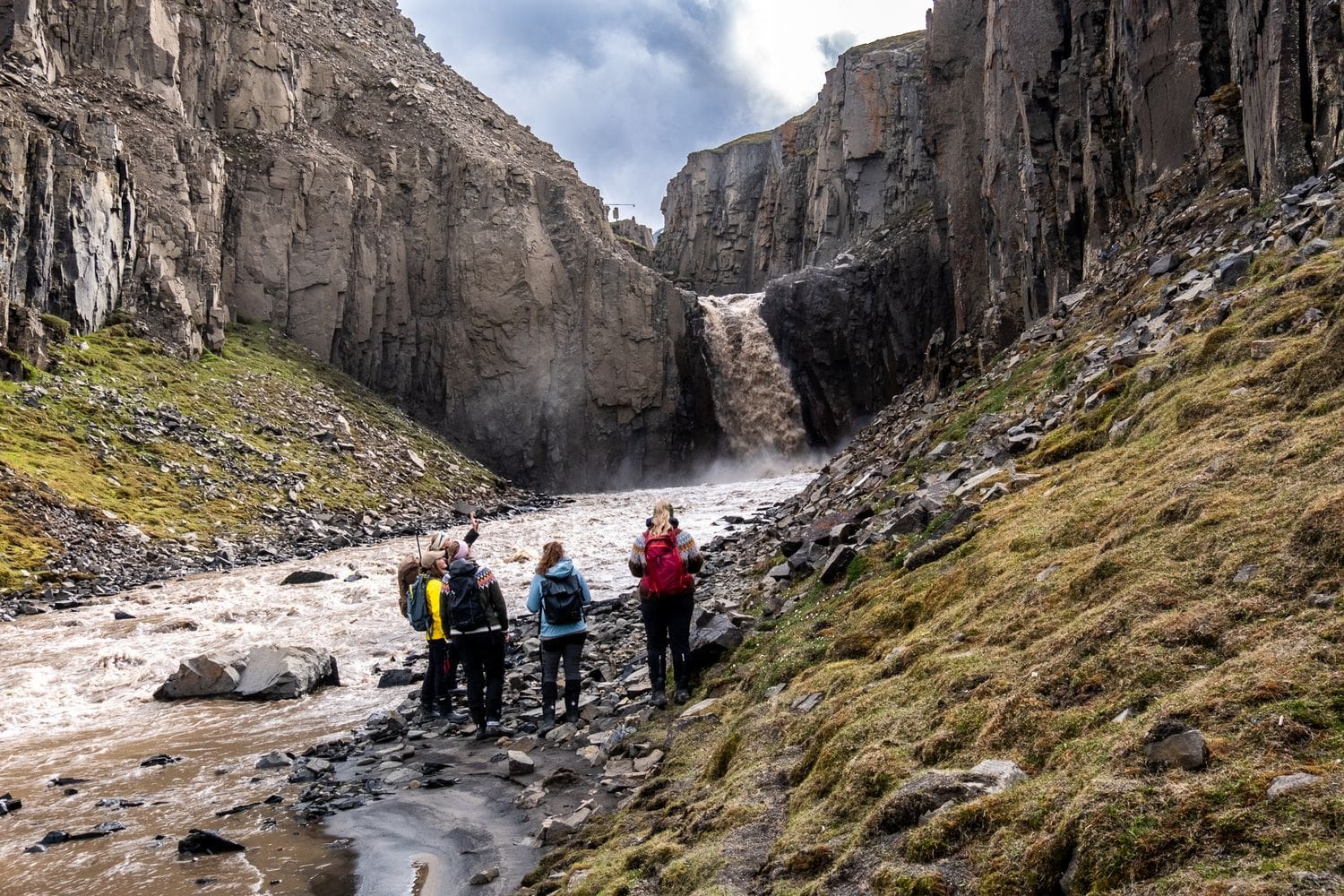
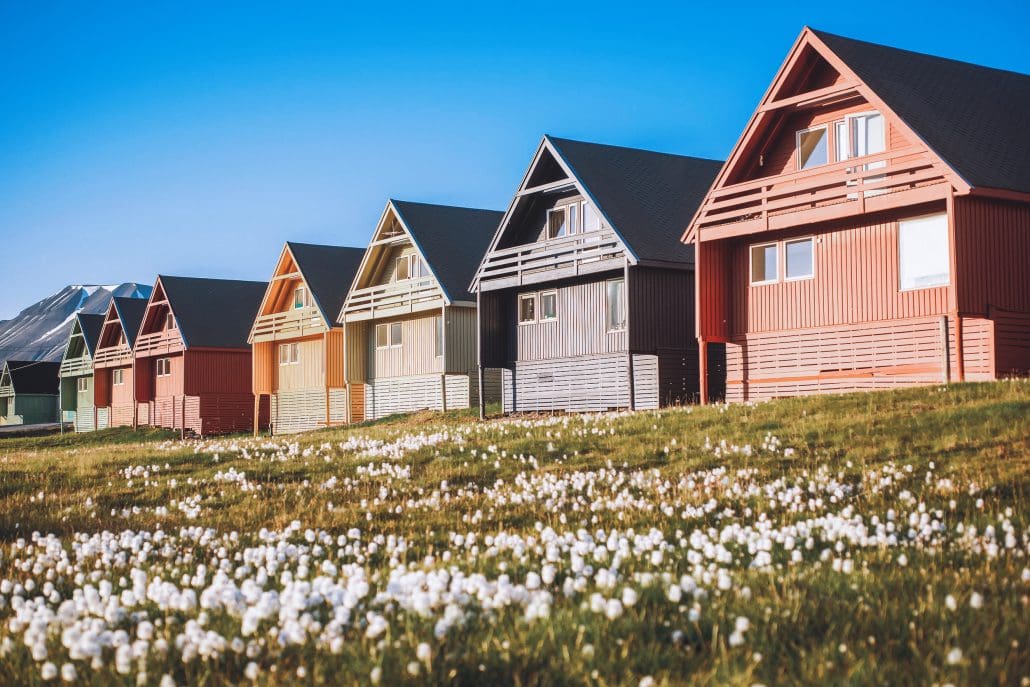
The land around Longyearbyen is shaped by glaciers and a long mining history. Guided activities include glacier hikes, ice caves, boat trips, and dog sledding. Just beyond Nybyen, the terrain opens into valleys and glacier-fed landscapes shaped by both nature and history.
Spend a little time in Longyearbyen and you start to read the landscape differently. The valleys were carved by glaciers, the slopes are streaked with old mining structures, and the whole place sits at the meeting point of ice, rock, and the sea. Svalbard’s glaciers and fjords are not a backdrop here; they are the reason the town exists in the shape it does. Roughly sixty percent of the archipelago is covered by ice, and that ice has shaped both the land and the human story written on it.
The Glaciers
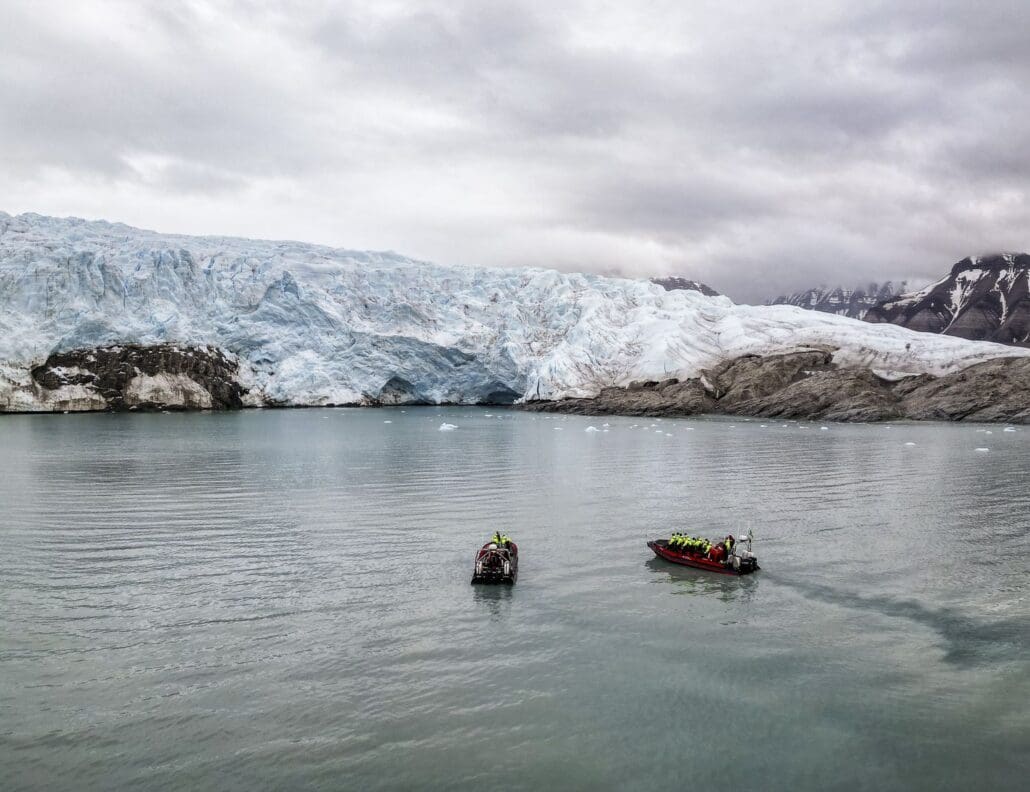
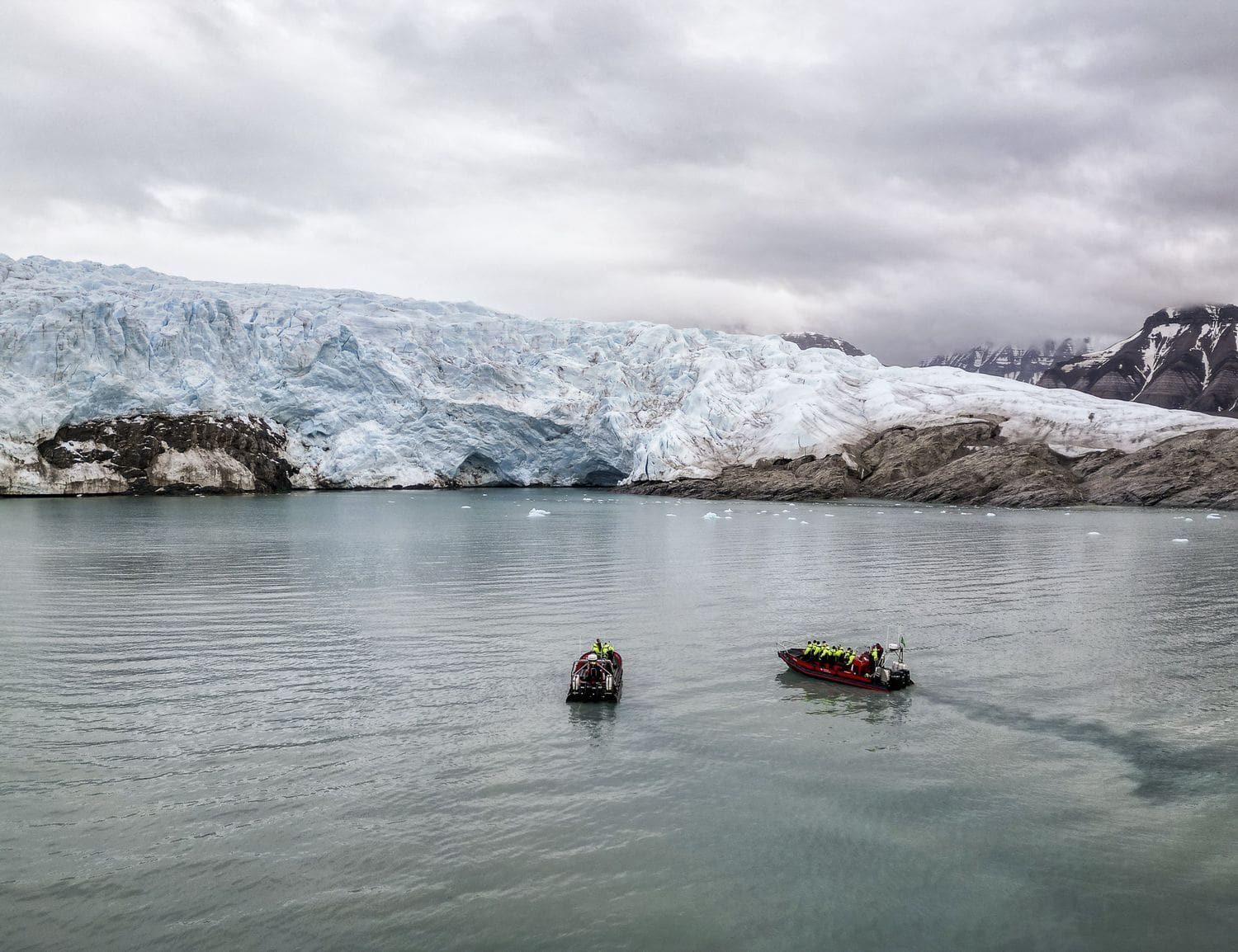
Around 60% of Svalbard is covered in glaciers. They aren’t frozen lakes sitting still – they’re slow rivers of ice, constantly moving, carving the landscape as they go. Standing in front of a glacier front, hearing it creak and occasionally crack, is one of the most humbling things you can do here.
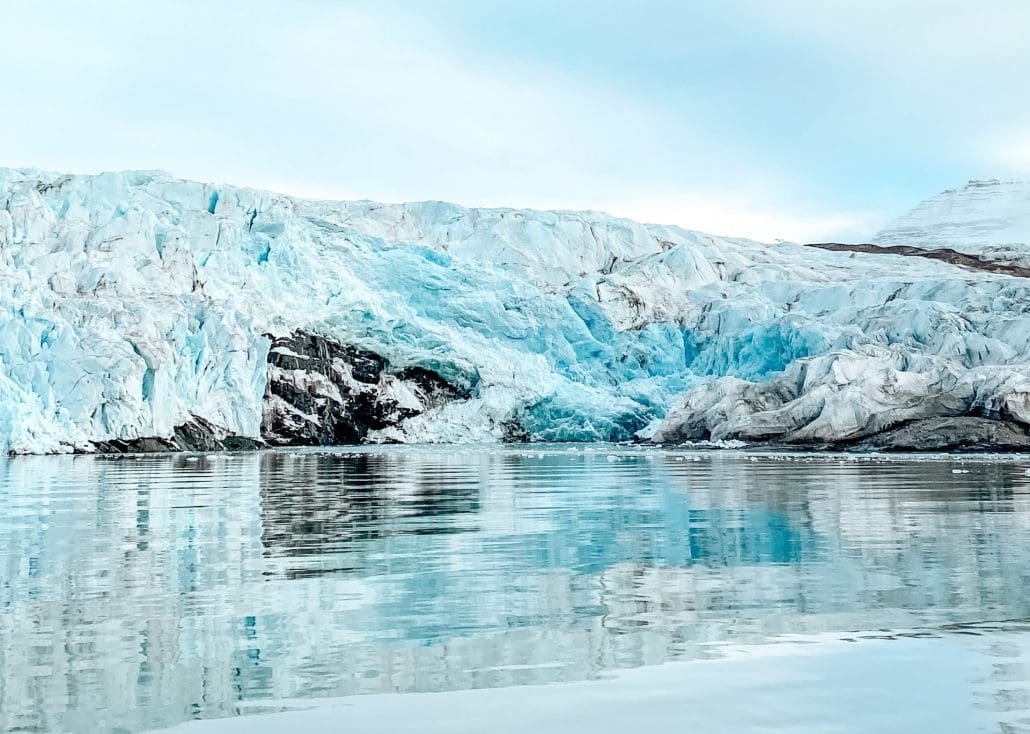
How does a glacier actually form? It’s a beautifully simple idea that takes a very long time. In a place this cold, more snow falls each winter than melts in summer. Year after year, those snow layers pile up. The weight of all that snow on top squeezes the layers below, pressing out the air and compacting the snow into dense, blue-tinged ice.Once that ice gets thick and heavy enough, gravity takes over, and the whole mass begins to creep downhill – incredibly slowly, but unstoppably. That moving ice grinds against the rock beneath and beside it, scooping out valleys and carrying rubble along the way. When a glacier finally reaches the sea, chunks break off the front in a process called calving – and that’s how those floating pieces of ice end up bobbing in the fjords. The vivid blue you sometimes see isn’t dye; it’s what happens when ice is so dense that it absorbs every colour of light except blue.

The Fjords of Spitsbergen (and how to explore them)
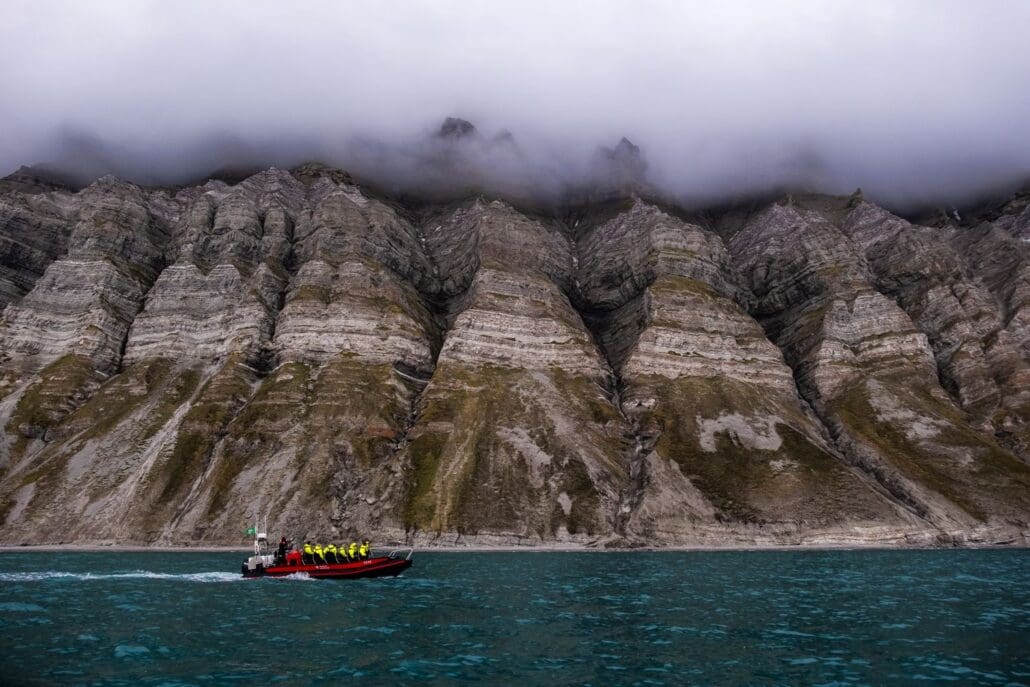
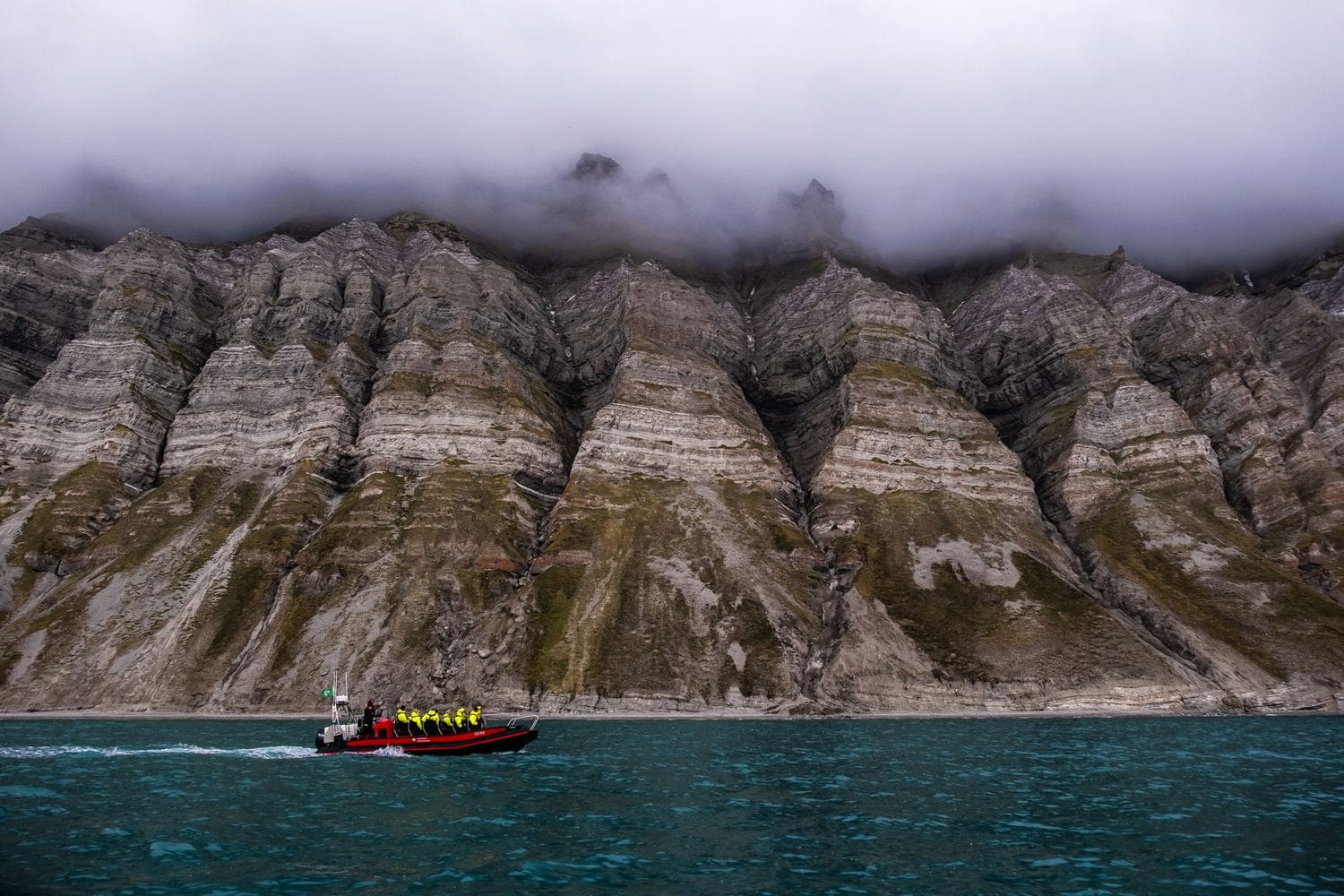
If glaciers are the sculptors, the fjords are what they leave behind – long, deep arms of sea reaching inland where ice once ground its way to the coast. Isfjorden, the great fjord system on our doorstep, is one of the largest in Svalbard and a feeding ground for whales.
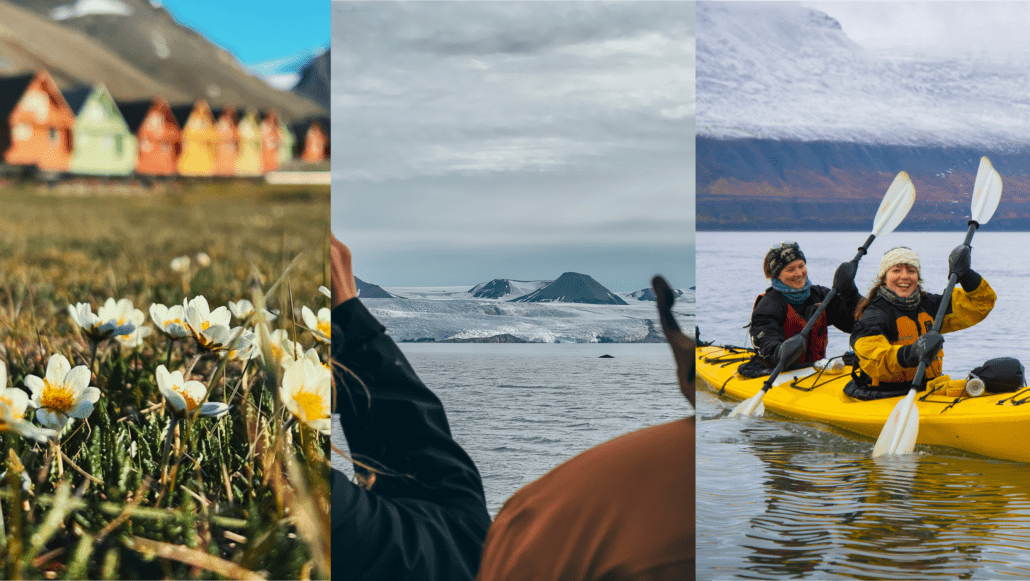
A fjord cruise is the easiest way to feel the scale of this place. You glide past towering mountains and glacier fronts, watch seabirds wheeling off the cliffs, and keep your binoculars ready for belugas, seals, or the spout of a whale. In summer, the boats run under the midnight sun; in winter, the same fjords freeze and become highways for snowmobiles and access to glaciers and beautiful ice formations.
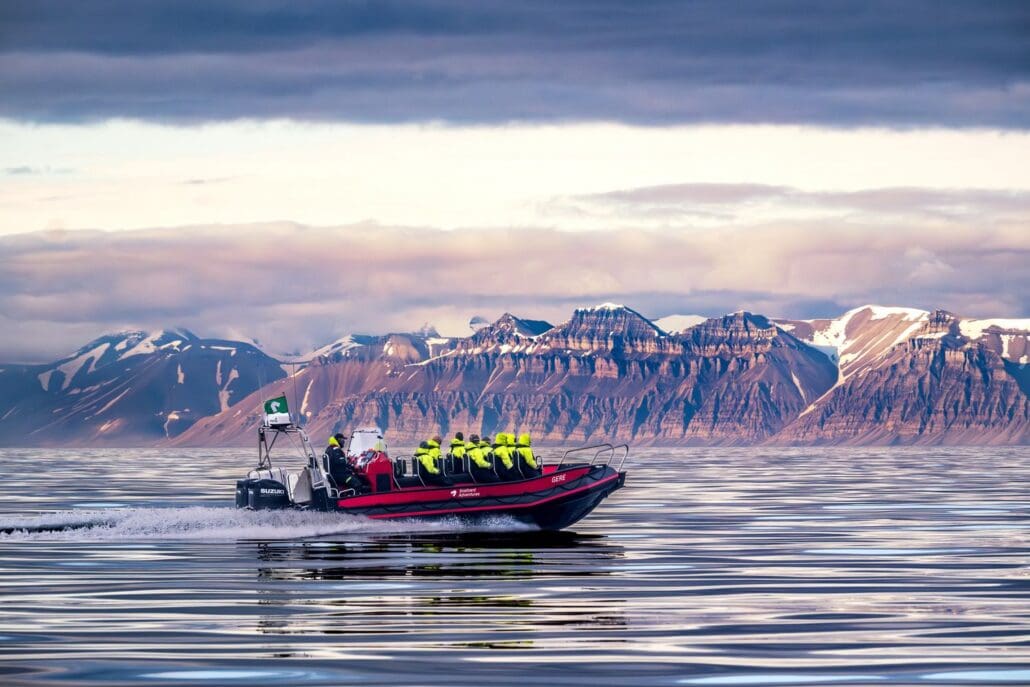
Take a look at our Activity Page for available boat trips during your stay. Remember that we offer 5% discount to our Direct Bookers on tours with our preferred partners! Read more here.
A short history of Longyearbyen and Svalbard
People have hunted and explored these islands for centuries, but the town as you see it grew up around one thing: coal. In the early 1900s, mining brought workers north to the most unlikely of places – a settlement at nearly 78° North, dark for months at a time, ringed by ice. Those miners built Longyearbyen, and the coal mines still mark the mountainsides today.
Life here was tough and tightly knit. Workers were brought in for long contracts, the canteen was the social heart of the community, and during the winters, people were moved around the valley on sleds. Out of that hard, communal life grew the warm, welcoming little town that visitors love today.


A short history of Longyearbyen and Svalbard
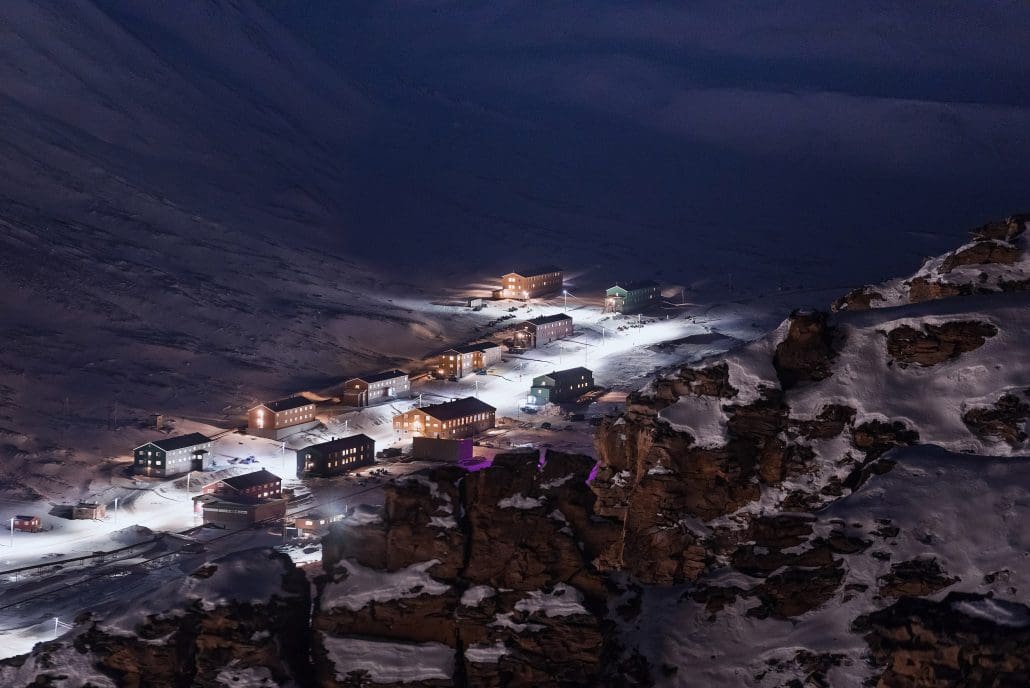
Nybyen – “the new town” – was built at the top of the valley to house the miners of Mine 2B. Five barracks went up, and the best-qualified workers were given the most comfortable quarters. Our building earned the affectionate nickname “the millionaires’ mansion,” because it housed those prized miners.
In 1999, the barrack became Gjestehuset 102, and the same rooms that once sheltered miners after long shifts underground now welcome travellers in from long days on the ice and water. Our owner, Arne, is himself one of the most experienced miners in town – he started in the mines back in 1980 – so the history here isn’t a plaque on a wall!
Practical Tips
• Allow buffer days. Boat and glacier trips depend on the weather and ice. Leaving a spare day in your plans gives you room if a tour is rescheduled!
Staying with us
Back in town, the history is easy to explore on your own, and after a day out among the glaciers and fjords our guesthouse is a quiet, affordable place to come back to, warm up, and plan the next outing. Staying in Nybyen puts you right inside the old mining quarter, which gives the surroundings a little more weight. If this mix of ice and history is what brings you north, take a look at where to stay in Svalbard with us, and browse the guided trips that get you out among it.